How Emerging Digital Venues Structure Entry Incentives for Mobile Users in Regulated Markets
Uma Schulz · Oct 21, 2026
How Emerging Digital Venues Structure Entry Incentives for Mobile Users in Regulated Markets
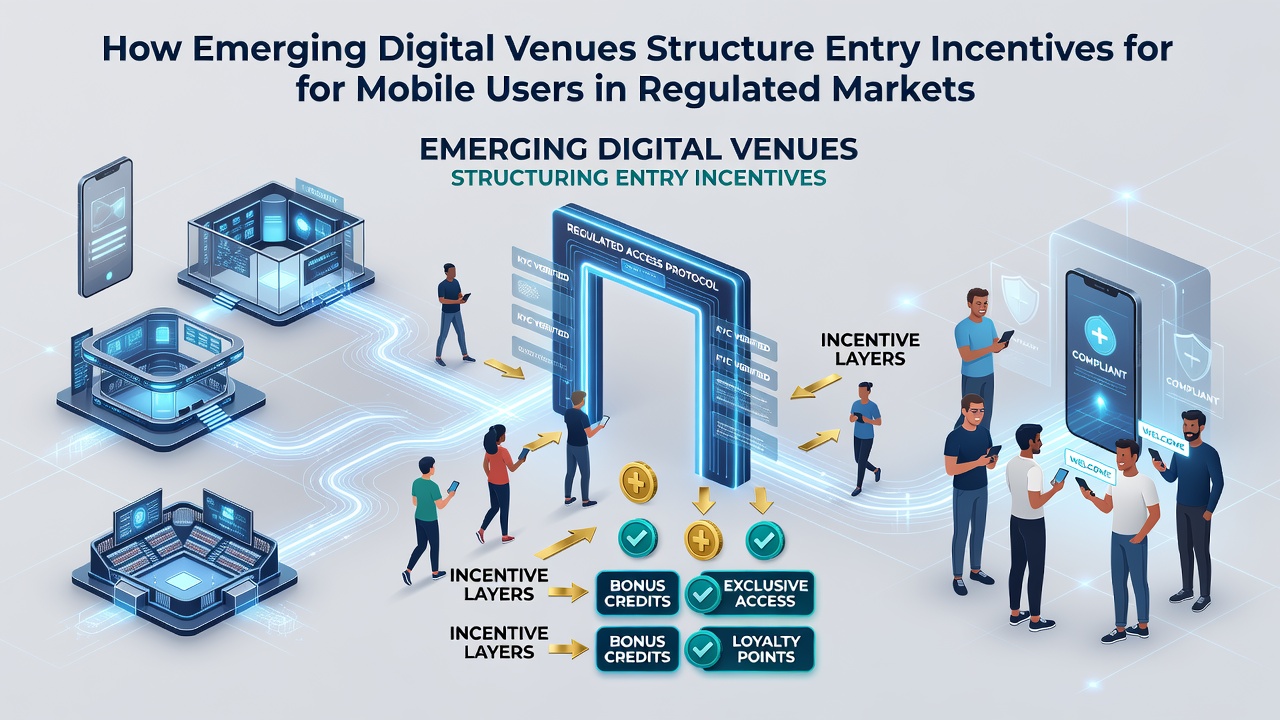
Emerging digital venues have developed structured approaches to entry incentives that target mobile users operating within regulated markets across multiple jurisdictions, and these systems rely on location verification combined with user data to deliver tailored offers that comply with local licensing requirements.
Regulatory Frameworks Shaping Incentive Structures
Data from industry reports released in October 2026 shows that platforms in North American adn European markets integrate geofencing technology to confirm user location before activating any promotional content, while platforms in Australian states follow similar protocols under oversight from bodies like the Northern Territory Racing Commission. Researchers at academic institutions have documented how these venues segment incentives by device type, with mobile users receiving push notifications that link directly to registration flows incorporating age verification and self-exclusion tools required by law.
Venues adjust incentive values based on market-specific rules, so deposit match percentages and free credit allocations vary between states in the US where the New Jersey Division of Gaming Enforcement sets strict guidelines and provinces in Canada where iGaming Ontario maintains separate compliance standards. This segmentation allows operators to align offers with tax reporting obligations and responsible gaming mandates without disrupting the user onboarding sequence.
Mobile Platform Adaptations for Entry Offers
Digital venues build entry incentives around app-based wallets that support instant deposits from mobile carriers and digital payment services, and this setup enables immediate crediting of bonus funds once regulatory checks clear. Observers note that many platforms use progressive reward ladders where initial mobile deposits unlock tiered benefits that escalate after the first few sessions, all while tracking playthrough requirements through centralized systems that report to licensing authorities.
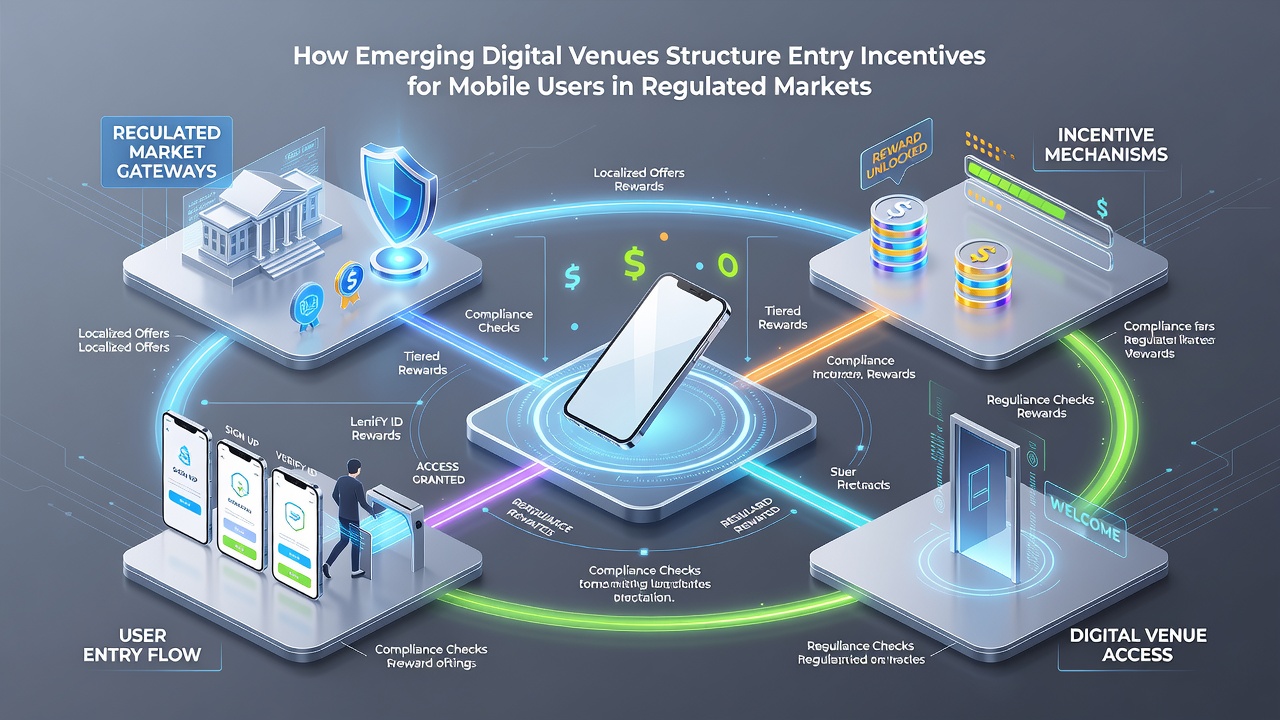
Studies from research organizations indicate that venues incorporate time-limited windows for mobile incentives to encourage prompt engagement, yet these windows always include clear terms displayed within the app interface to meet disclosure rules in places like Michigan and Pennsylvania. Those who have examined platform architectures find that push notification systems trigger only after users complete identity confirmation steps, which reduces the risk of non-compliant distribution of promotional materials.
Technological Tools Supporting Compliance and Delivery
Emerging venues deploy API connections between mobile applications and regulatory databases to verify player status before incentives activate, and this integration supports real-time adjustments if a user enters a self-exclusion list or crosses jurisdictional boundaries. Figures from trade associations reveal that adoption of such tools increased notably by late 2026 as more markets expanded mobile betting options, prompting operators to refine their backend systems for faster verification cycles.
Platforms also embed analytics engines that monitor incentive redemption rates on mobile devices specifically, allowing operators to adjust offer parameters without violating caps set by regional regulators. What's interesting here is how these systems prioritize seamless user flow while maintaining audit trails that licensing bodies can access during routine reviews.
Regional Variations in Incentive Implementation
Markets in the European Union apply additional layers of consumer protection that influence how digital venues present entry incentives to mobile users, with requirements for clear risk warnings integrated into every bonus claim process. In contrast, certain US state frameworks emphasize transaction reporting that ties directly to incentive structures, requiring venues to log mobile deposit sources and bonus issuances separately from standard wagering activity.
One study revealed that venues operating across multiple regions maintain separate incentive catalogs for each jurisdiction to avoid conflicts, and this approach ensures mobile users encounter only offers that align with their detected location at the time of access. Data shows continued refinement of these catalogs through 2026 as new regulatory updates emerged in various territories.
Conclusion
Emerging digital venues continue to refine entry incentive structures for mobile users by combining regulatory compliance tools with device-specific delivery methods, and the patterns observed across regulated markets demonstrate consistent emphasis on verification, segmented offers, and transparent terms. These approaches reflect adaptations to evolving licensing conditions while supporting user access in approved locations.