Rank Group Assesses Machine Games Duty Increase After Budget Decision
Uma Schulz · Nov 4, 2026

Rank Group Assesses Machine Games Duty Increase After Budget Decision
Rank Group, the company behind Grosvenor Casinos and Mecca Bingo, has outlined the financial effects of the Machine Games Duty rate change announced in the UK Budget, with the increase from 20% to 25% scheduled to begin in April 2027, and company statements indicate this adjustment will add approximately £9 million to its yearly tax obligations once fully implemented.
Details of the Duty Adjustment and Company Response
The higher rate takes effect across relevant gaming machines, and Rank Group has calculated the additional annual liability at roughly £9 million once the policy applies in full, while the firm also projects an extra £2 million in costs during its current financial year that concludes in June 2027 because the rate rise occurs partway through that period.
Company representatives stated that despite these added expenses, Rank Group expects to deliver like-for-like operating profit figures that align with existing market forecasts, and this projection comes after the Chancellor set the new duty level at 25%, a figure below the 40% rate that some industry participants had anticipated ahead of the Budget announcement.
Market Reaction and Industry Context
Following the Budget, shares in several gambling companies rose as investors responded to the moderated duty increase, and analysts noted that the final rate avoided the more substantial hike that had been discussed in some quarters, which helped stabilize sentiment across the sector during the immediate trading period after the announcement.
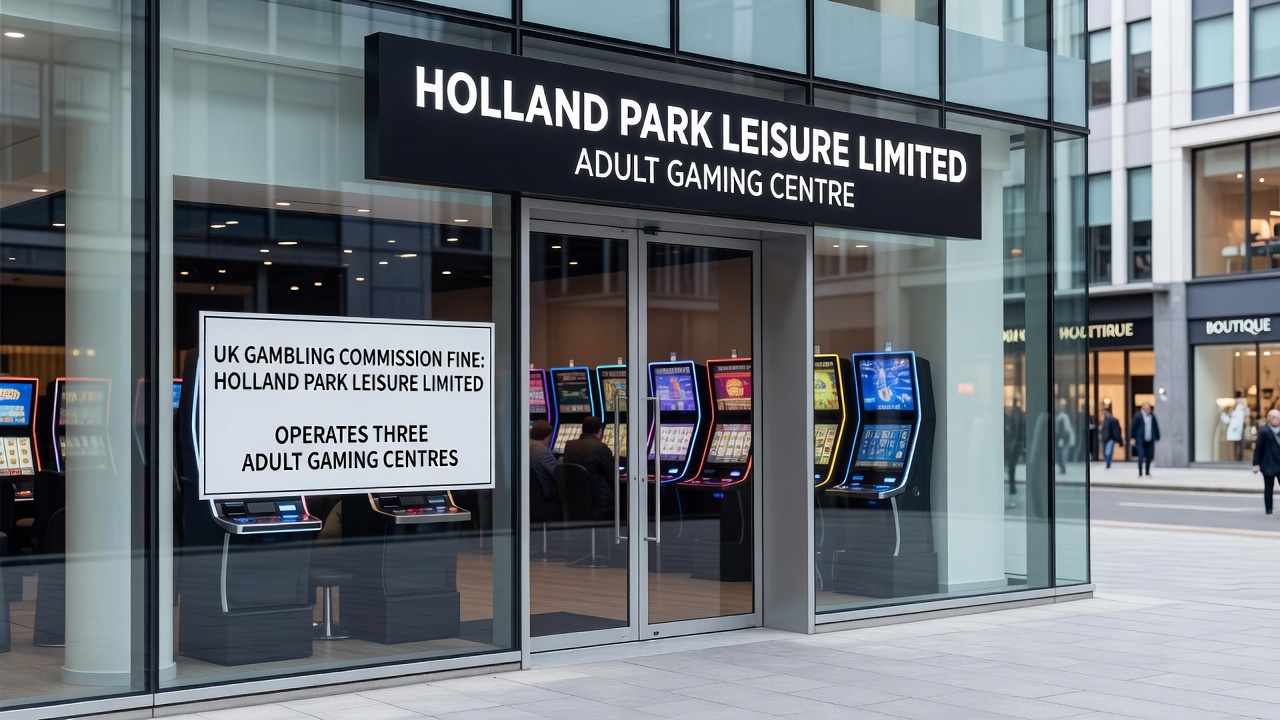
Rank Group operates a network of venues that include both casino and bingo sites, and the Machine Games Duty applies directly to the gaming machines located in those locations, which means the tax change influences a core revenue stream for the business without altering other operational areas in the short term.
Timeline and Forward Planning
The policy change becomes active in April 2027, which gives the company time to adjust internal forecasts and cost structures ahead of the full impact, and Rank Group has indicated it will continue to monitor regulatory developments while maintaining its focus on delivering the projected profit outcome for the year ending June 2027.
Observers note that the phased introduction allows businesses time to incorporate the revised duty into their planning cycles, and the company has already incorporated the partial-year cost of £2 million into its current outlook without revising its overall profit guidance.
Broader Budget Implications for Operators
The Chancellor’s decision on Machine Games Duty formed part of wider fiscal measures, and the moderated increase meant that operators such as Rank Group faced a more manageable adjustment than the higher rate scenarios previously considered, which in turn contributed to the positive movement in gambling stock prices observed in the days after the Budget speech.
According to the HMRC policy paper on Machine Games Duty changes, the new rate applies uniformly to affected machines, and Rank Group’s assessment aligns with the published details regarding the timing and scope of the duty revision.
Company Outlook and Operational Continuity
Rank Group has emphasized that its core operational targets remain intact, and the firm anticipates meeting its like-for-like operating profit expectations even after accounting for the additional tax and cost elements associated with the duty increase, which demonstrates the company’s preparation for the revised fiscal environment.
Those who have followed the company’s statements note that Rank Group continues to operate its Grosvenor and Mecca brands across multiple sites, and the duty adjustment affects machine-based revenue without altering plans for venue management or customer offerings in the immediate future.
Conclusion
The Rank Group announcement provides a clear picture of how the Machine Games Duty increase from 20% to 25% will influence the company’s finances, with the £9 million annual addition and the £2 million partial-year cost now factored into projections that still point toward forecasted profit levels, and the stock market response following the Budget reflects the sector’s reception of the final duty rate that proved less severe than earlier concerns had suggested.